Drones with Artificial Intelligence - Master Project - Field of Study Intelligent Systems (SS2026)
Participants in the project work in groups of up to four people. Each group receives a fully assembled and flight ready FPV drone as well as the required components. The goal of the project is the independent development, implementation, and evaluation of a practical drone AI application for the automated delivery of objects. Both technical challenges and the limitations of the employed systems are to be analyzed and documented in a comprehensible manner.
- Task 1: Become familiar with the FPV drone and its hardware and software components.
- Learn about the capabilities and limitations of the hardware components. These include:
- Frame, flight controller with motor control, video transmitter (VTX), ELRS receiver, motors, GPS receiver with compass, FPV camera, Li-Ion batteries, remote control, Raspberry Pi Zero 2 WH, Raspberry Pi AI camera module, FPV goggles, A/V video grabber, etc.
- Learn about the capabilities and limitations of the software components. These include:
- Task 2: Extend the drone with the goal of enabling automated delivery of objects, including in indoor environments.
- This task consists of several subtasks (see Tasks 3-6).
- Task 3: Integration of an autopilot function.
- Task 4: Integration of Position Hold and Altitude Hold using distance measurement (LiDAR) and optical flow.
- Task 5: Research and integrate implementation options for delivery/payload systems.
- Develop and test a simple drop mechanism using a micro servo (for example [1], [2], [3], [4], [5]). 3D printing options are available.
- Task 6: Develop an improved frame or an extension of the existing frame in order to accommodate sensors for distance measurement and optical flow as well as the delivery/payload mechanism.
- Task 7: Documentation and presentation of the results from Tasks 1-6.
- Create documentation and guides that enable students, researchers, and lecturers to reproduce the AI drone scenarios and use them for their own modules and research projects.
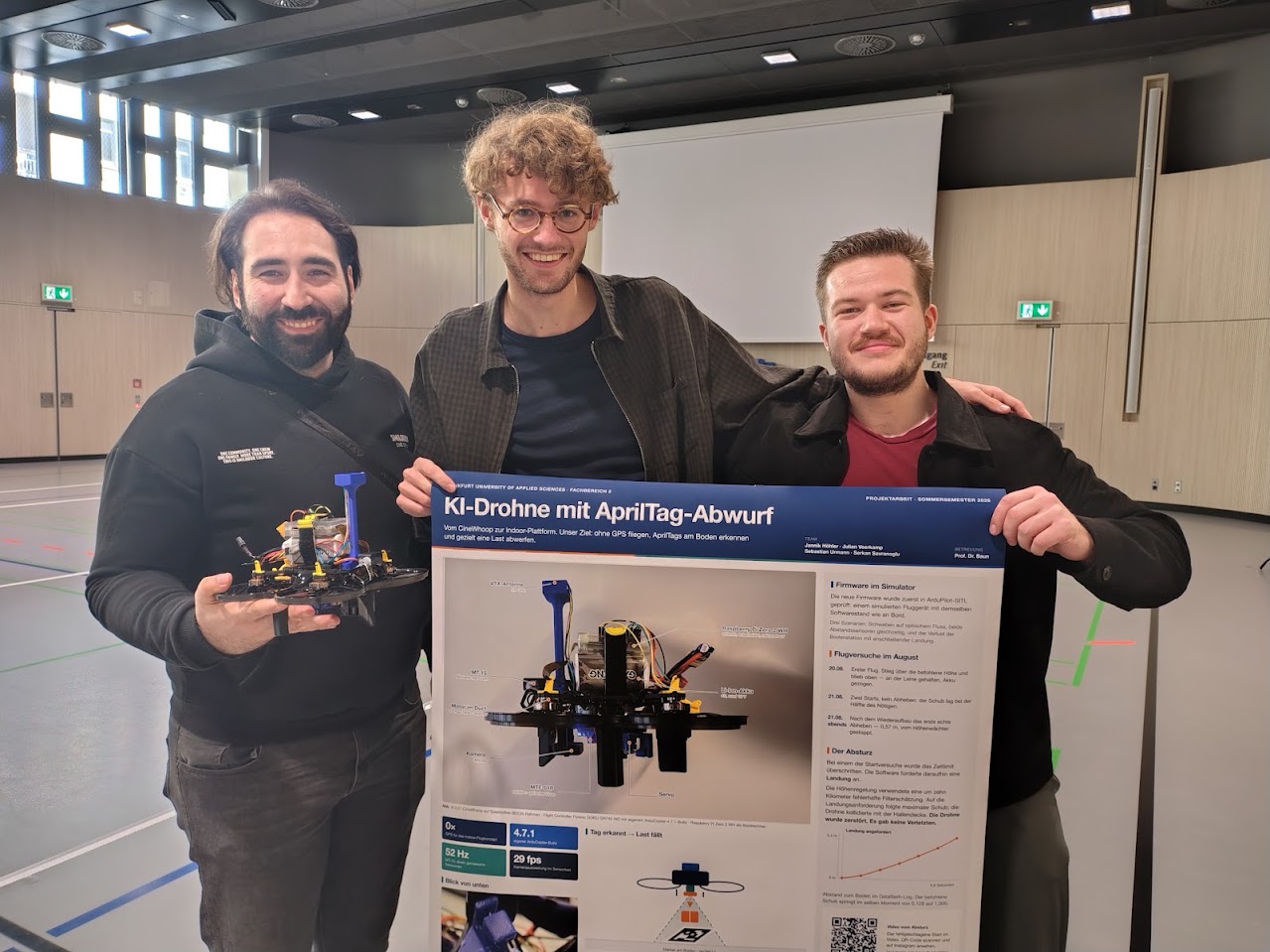
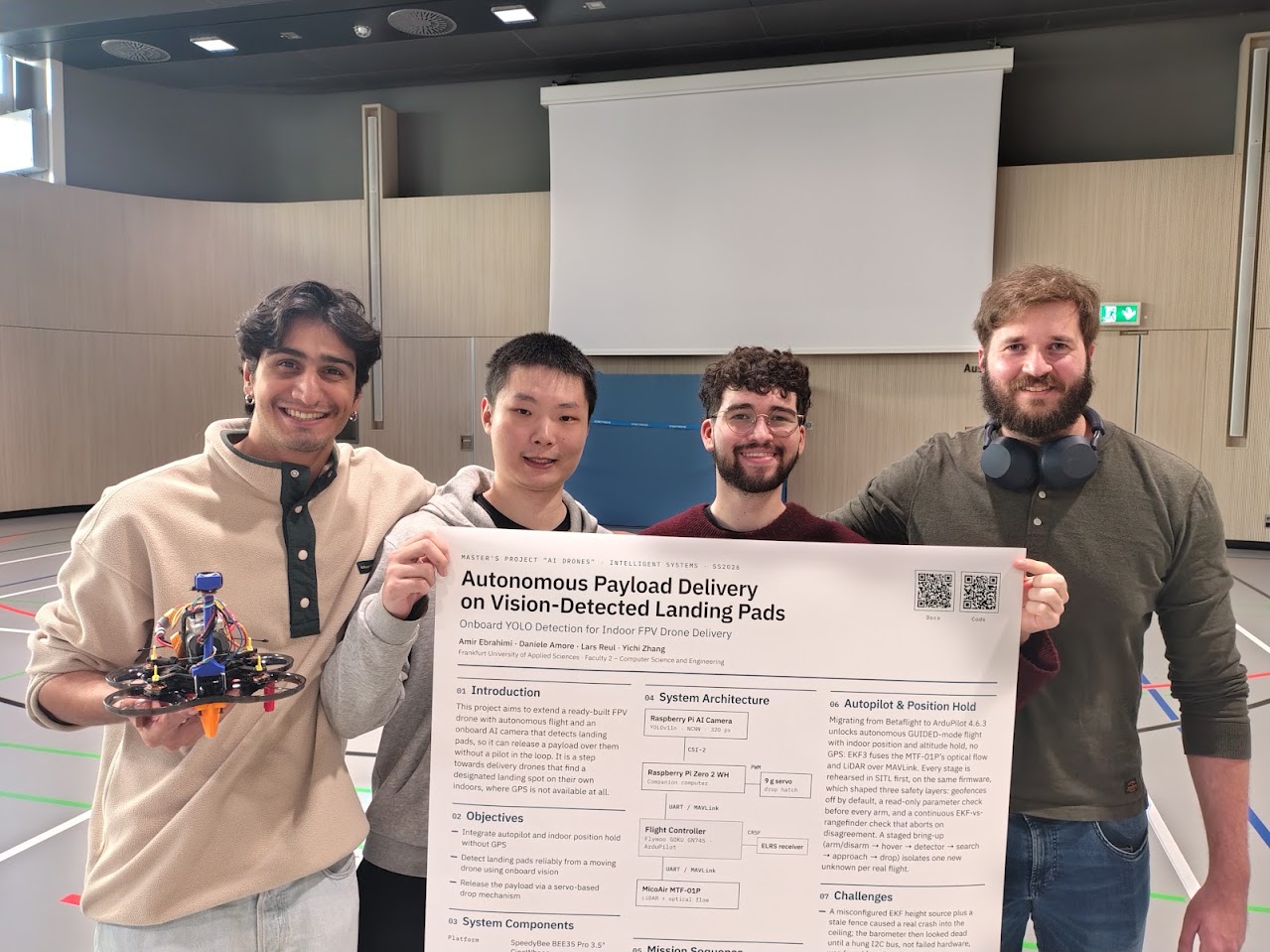
- No slide presentations or traditional PDF project reports will be created. Instead, each team develops a complete and understandable online documentation (for example via GitHub Pages) and presents the results in the form of a poster as well as a live demonstration.
Schedule for the Semester
| Date |
Time |
Room |
Content |
| 15.04.2026 |
10:00-13:00 |
1-022 |
Introductory session, group formation, requirements analysis, project planning |
| 22.04.2026 |
10:00-13:00 |
10-MZH, 1-022 |
Group work |
| 29.04.2026 |
10:00-13:00 |
10-MZH, 1-022 |
Group work |
| 06.05.2026 |
10:00-13:00 |
10-MZH, 1-022 |
Group work |
| 13.05.2026 |
10:00-13:00 |
10-MZH, 1-022 |
Group work |
| 20.05.2026 |
10:00-13:00 |
10-MZH, 1-022 |
Group work |
| 27.05.2026 |
10:00-13:00 |
10-MZH, 1-022 |
Group work |
| 03.06.2026 |
10:00-13:00 |
10-MZH, 1-022 |
Group work |
| 10.06.2026 |
10:00-13:00 |
10-MZH, 1-022 |
Group work |
| 17.06.2026 |
10:00-13:00 |
10-MZH, 1-022 |
Group work |
| 24.06.2026 |
10:00-13:00 |
10-MZH, 1-022 |
Group work |
| 01.07.2026 |
11:15-13:00 |
10-MZH, 1-022 |
Group work |
| 08.07.2026 |
11:15-13:00 |
10-MZH, 1-022 |
Group work |
| 15.07.2026 |
11:15-13:00 |
10-MZH, 1-022 |
Demonstration and presentation of the project results of all teams, final session |
Documents
Equipment
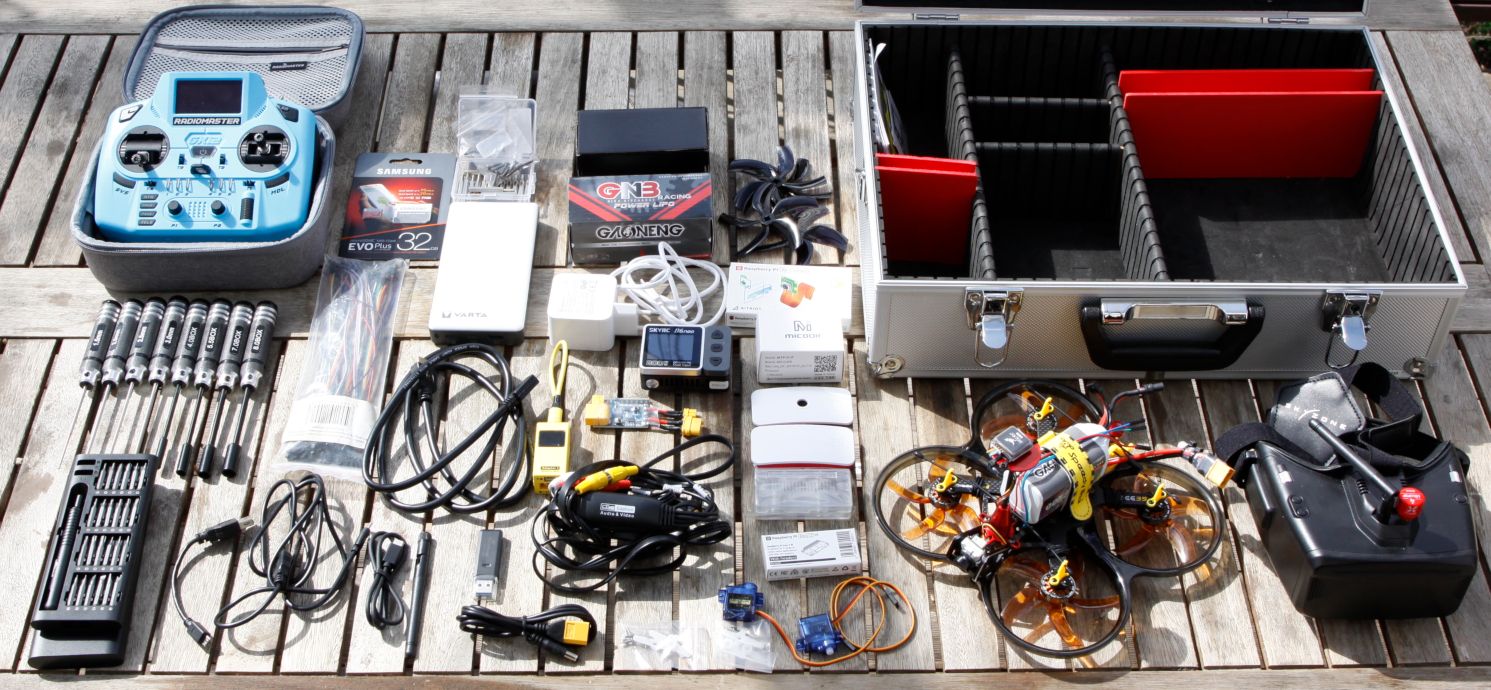
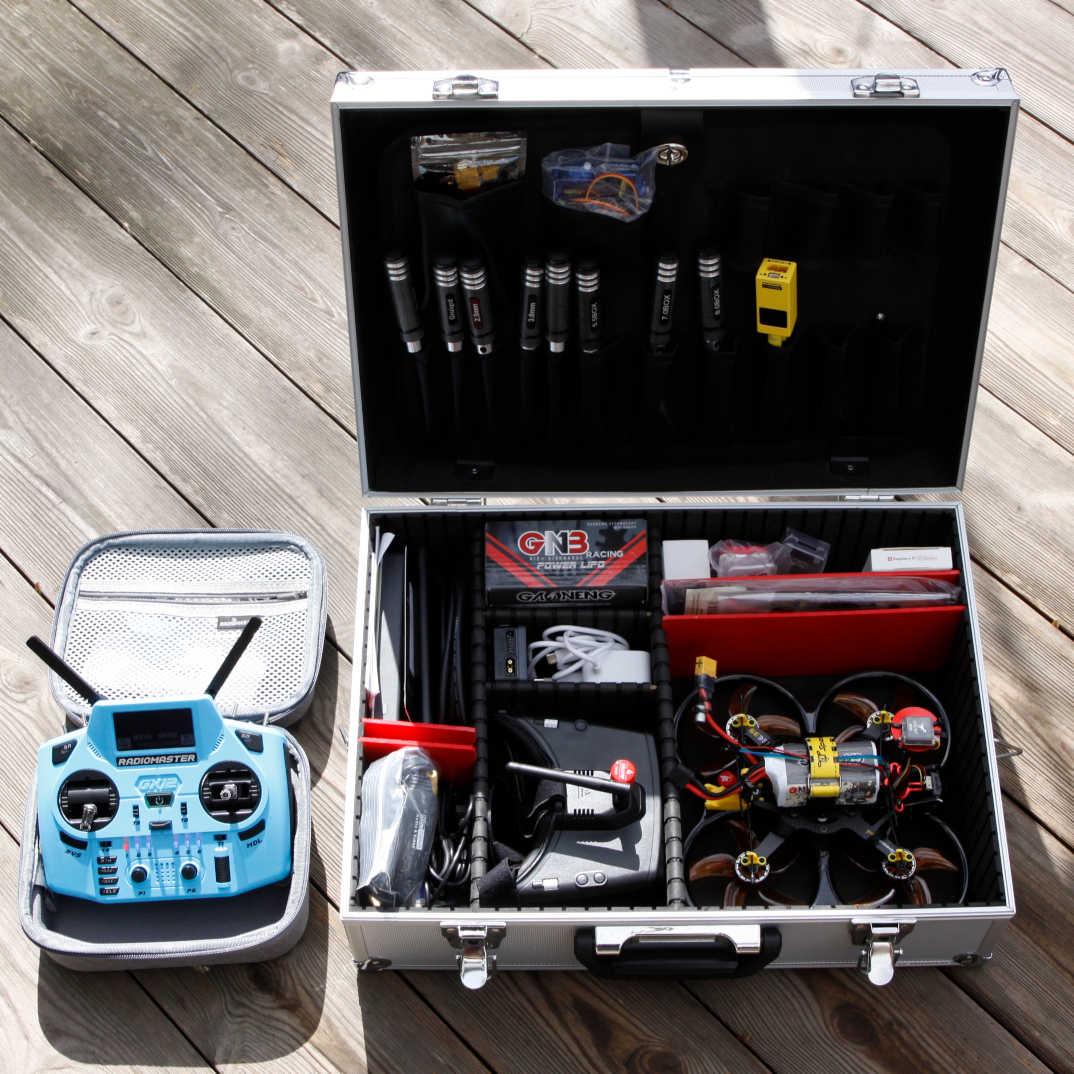
Each team receives the following equipment:
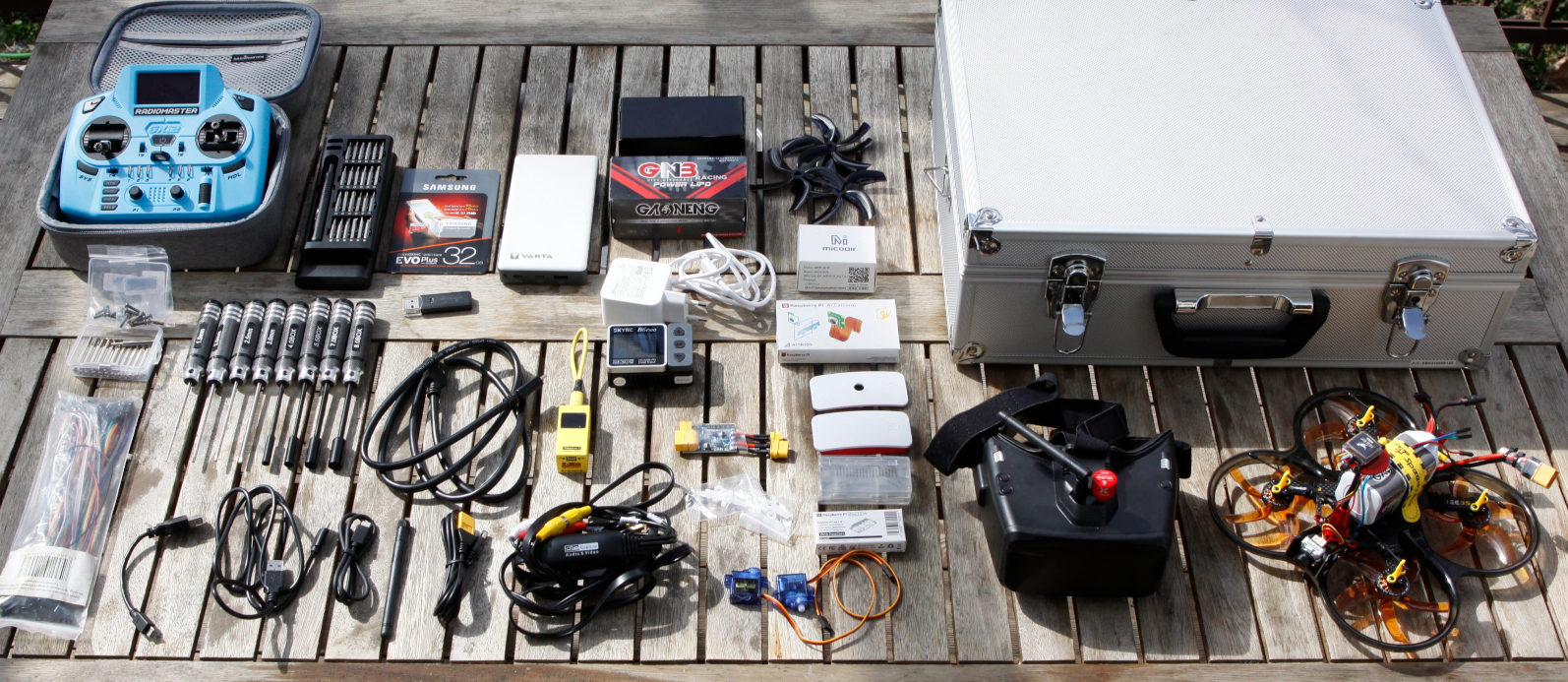
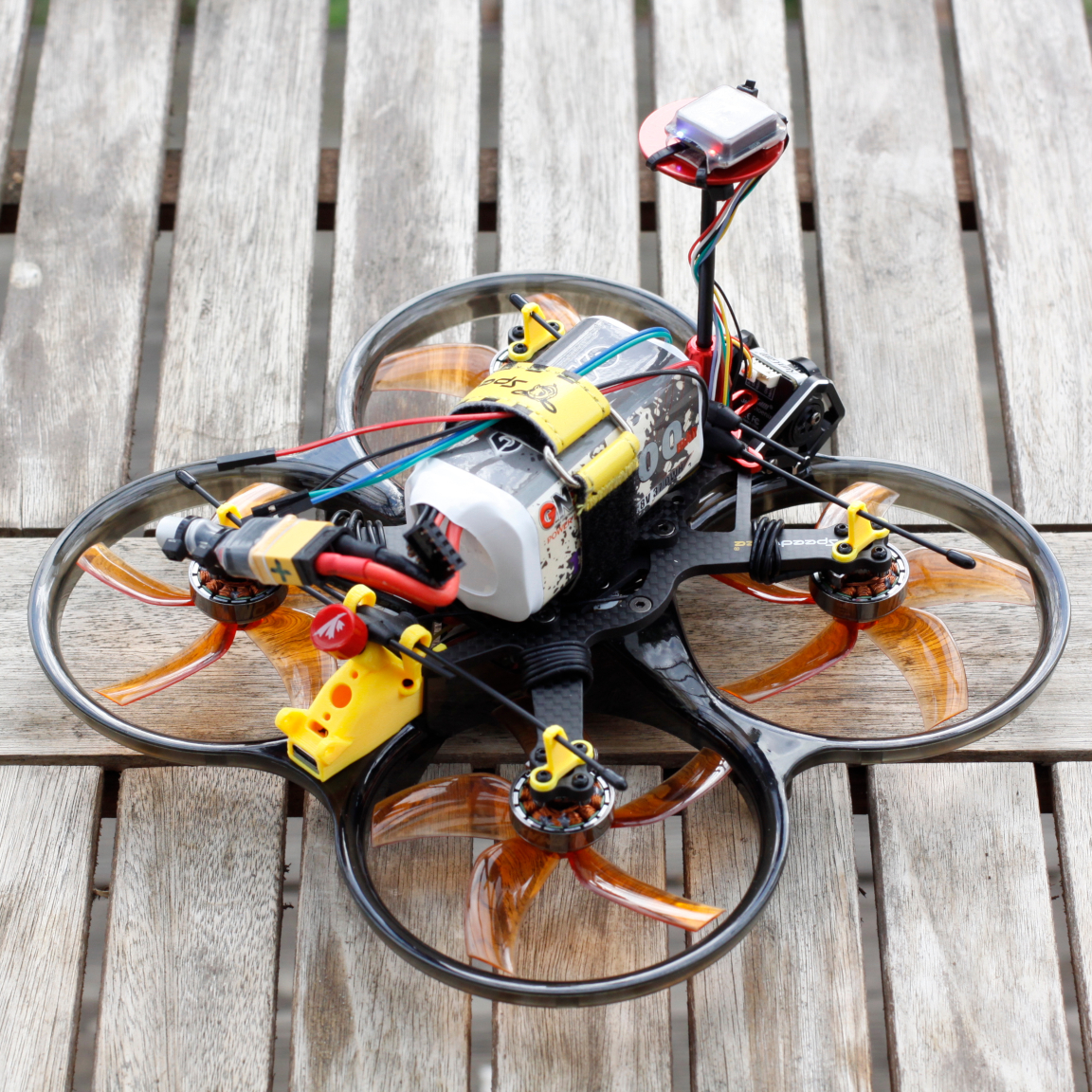
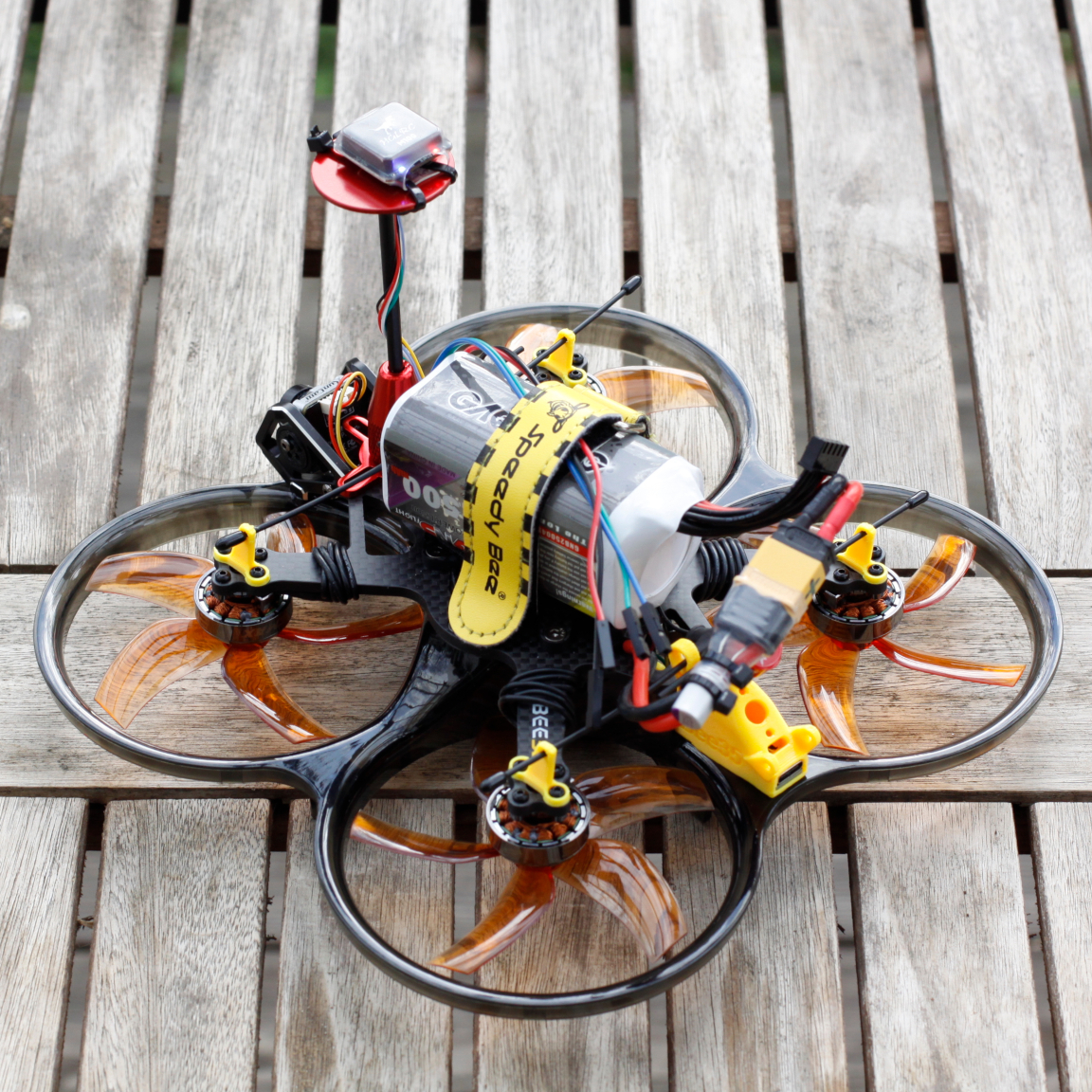
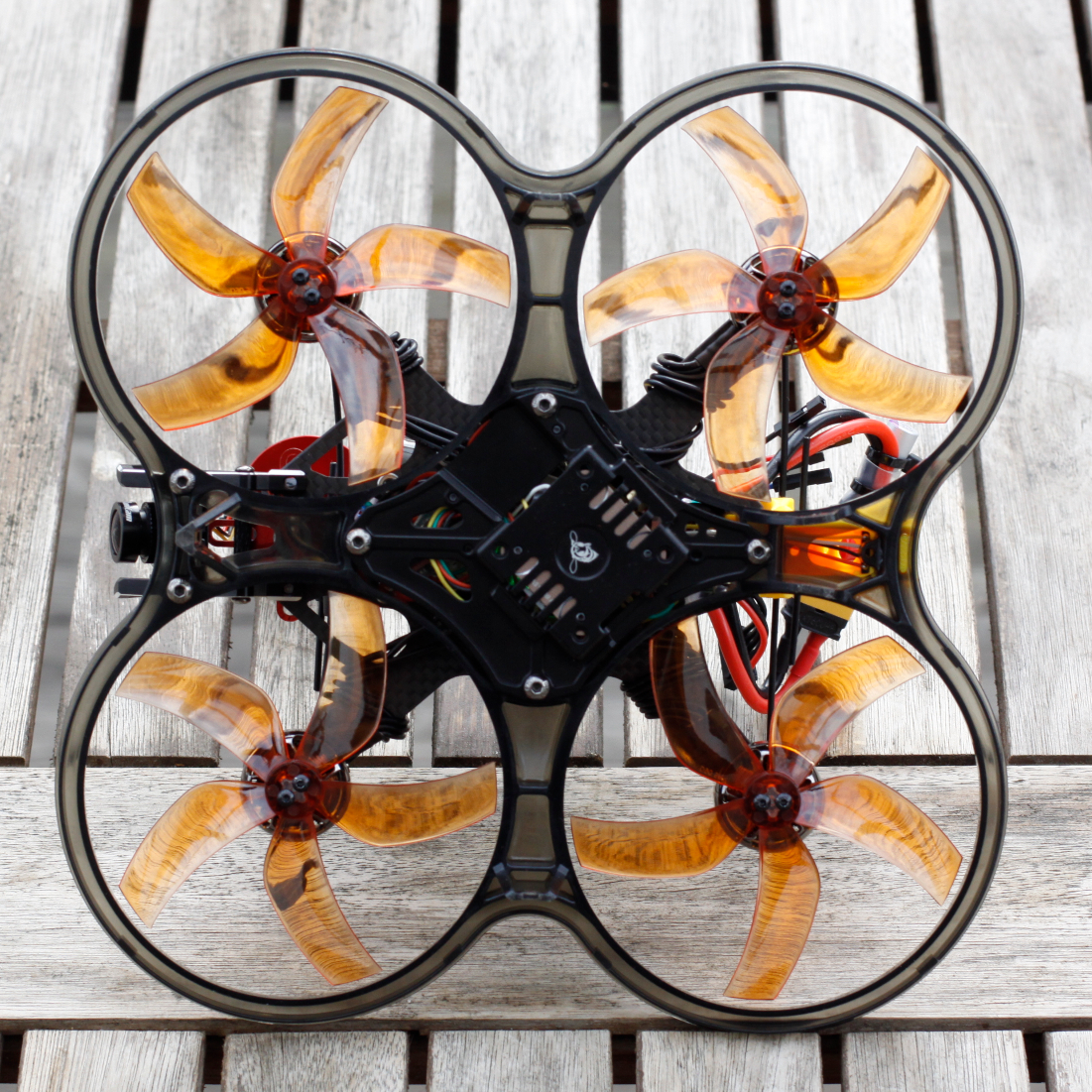
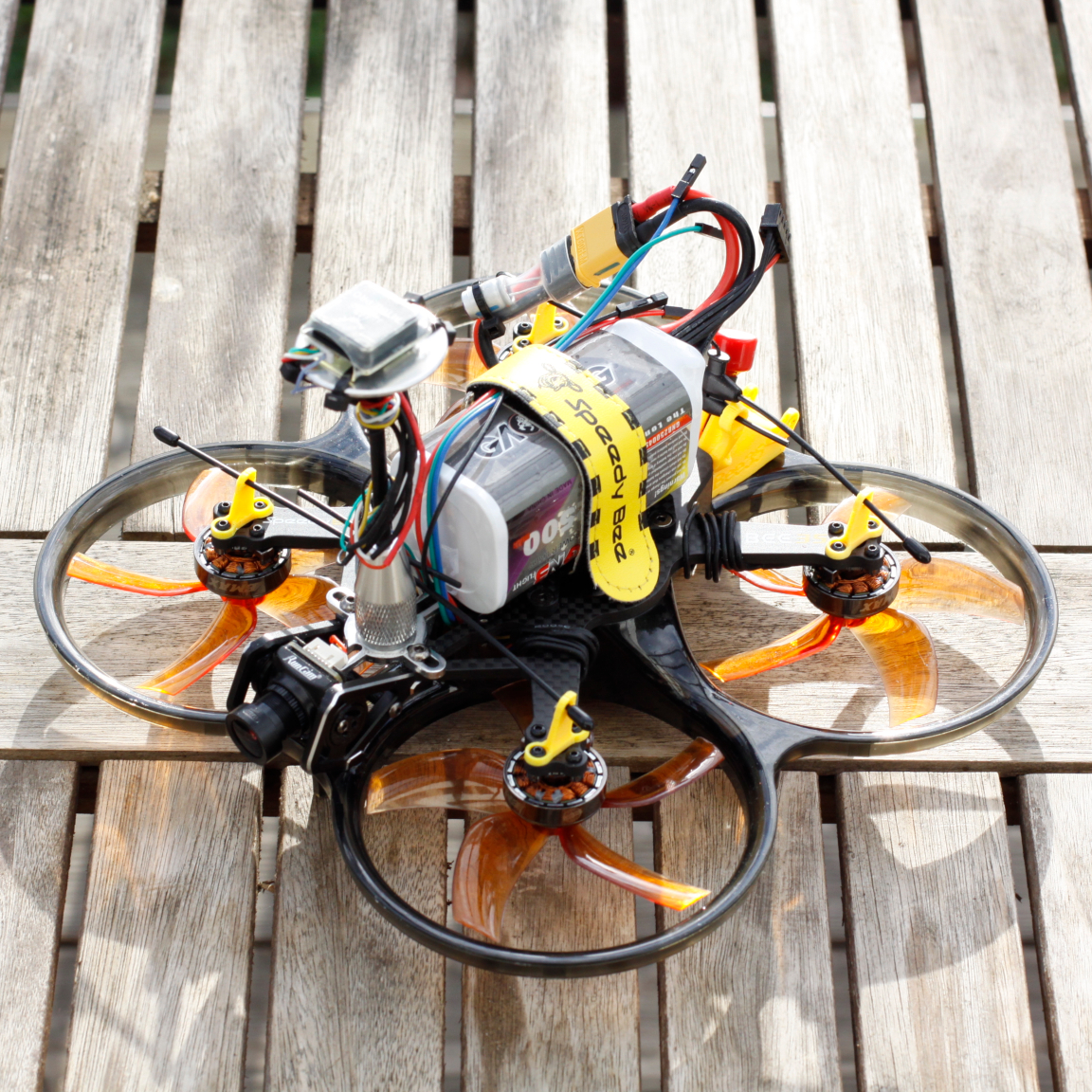
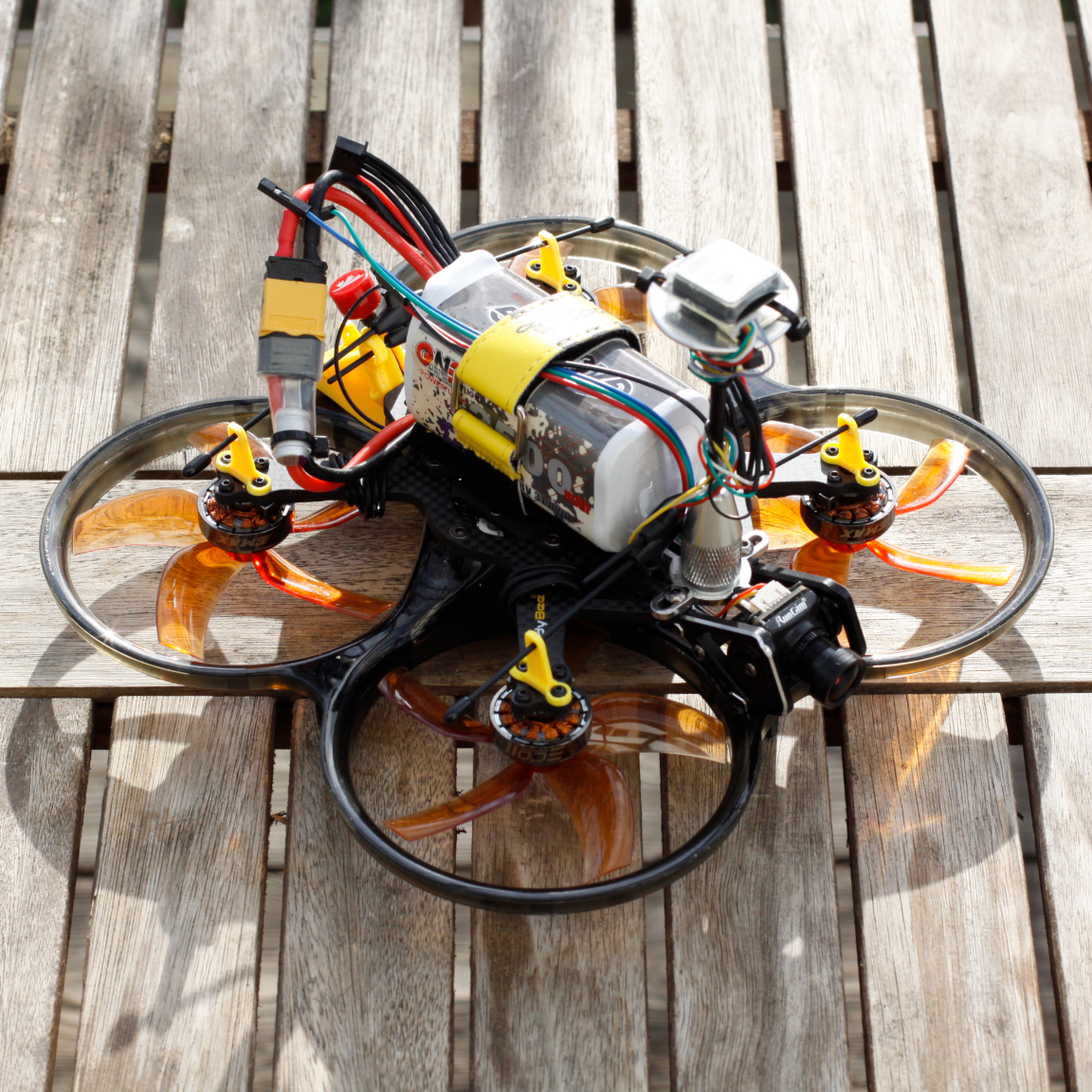
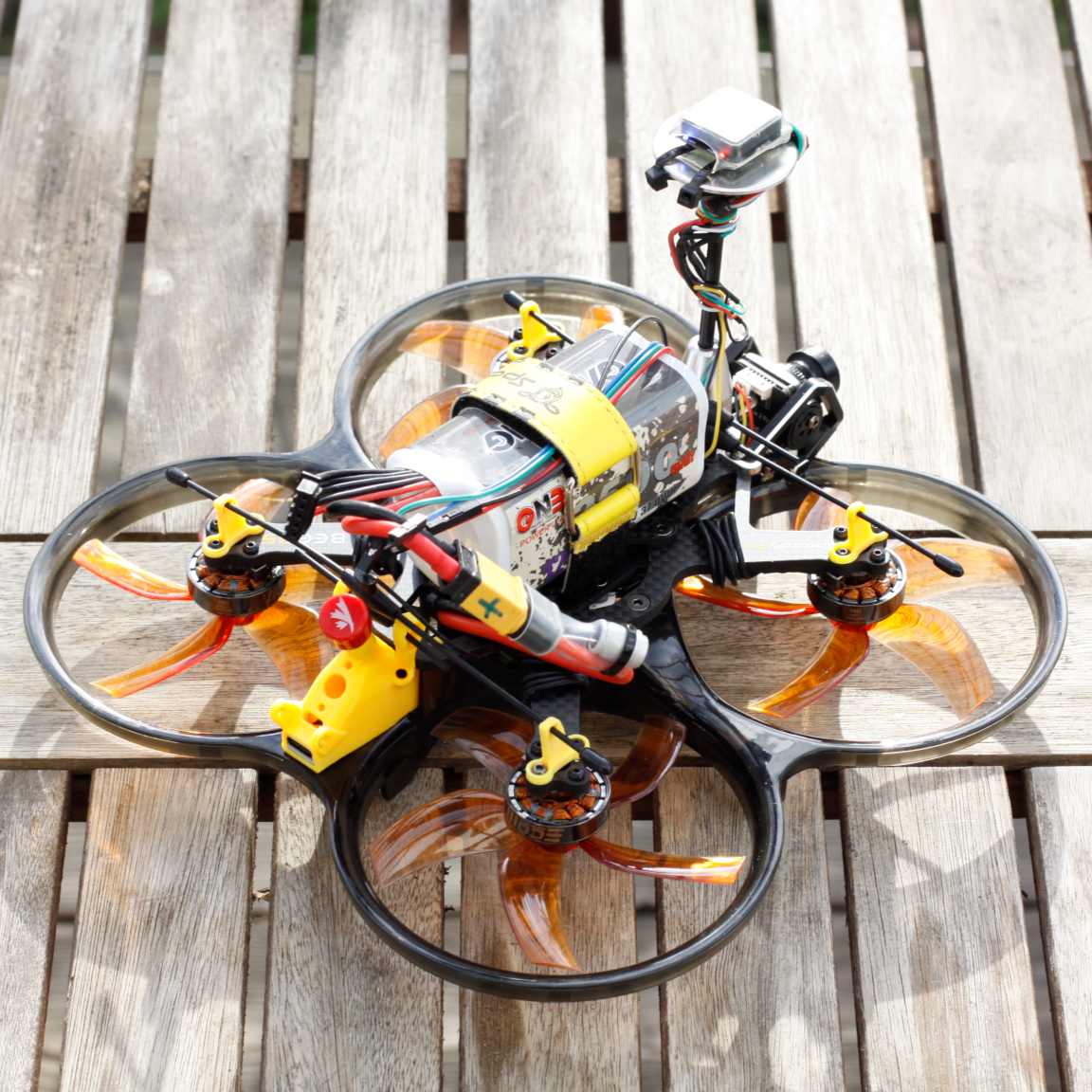
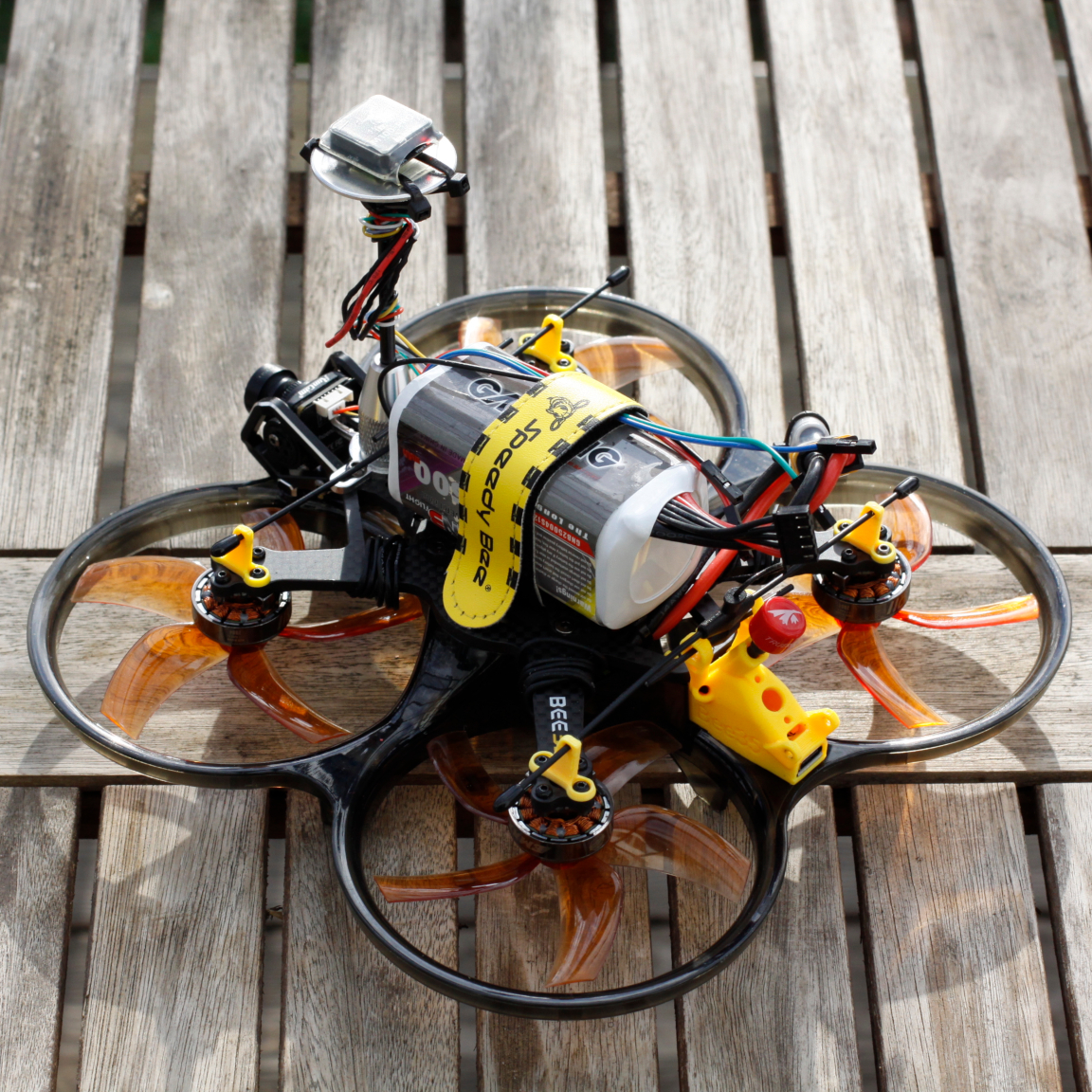
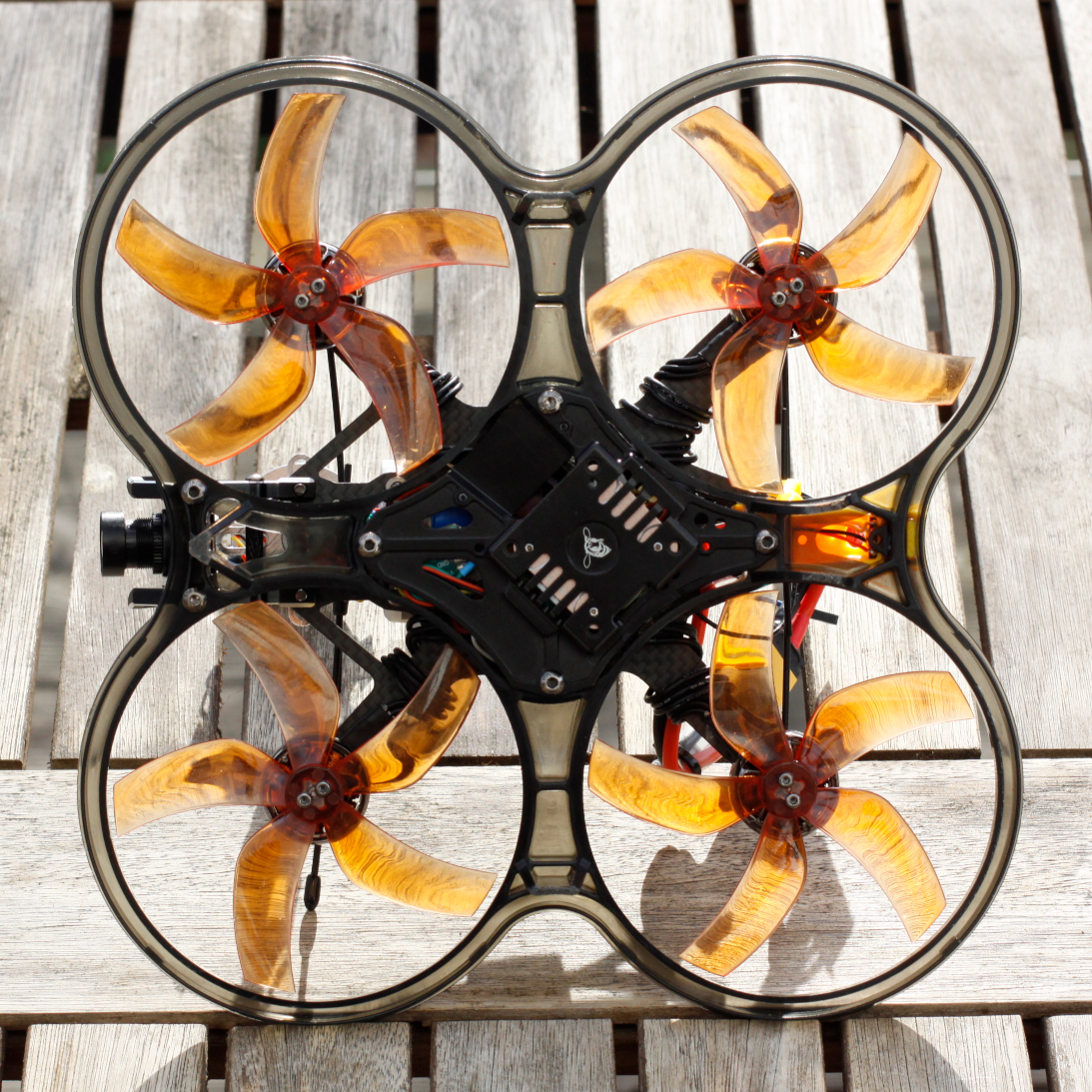
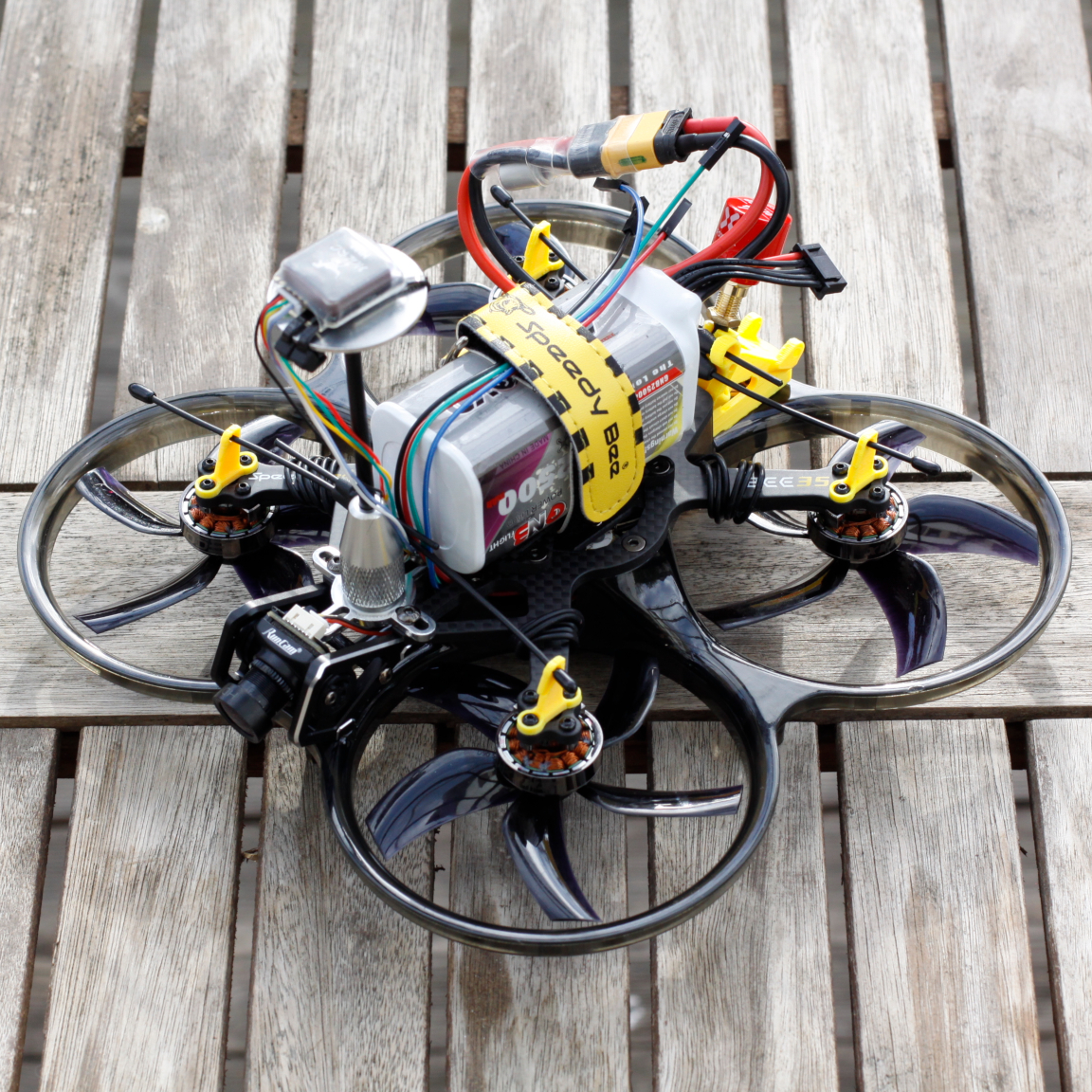
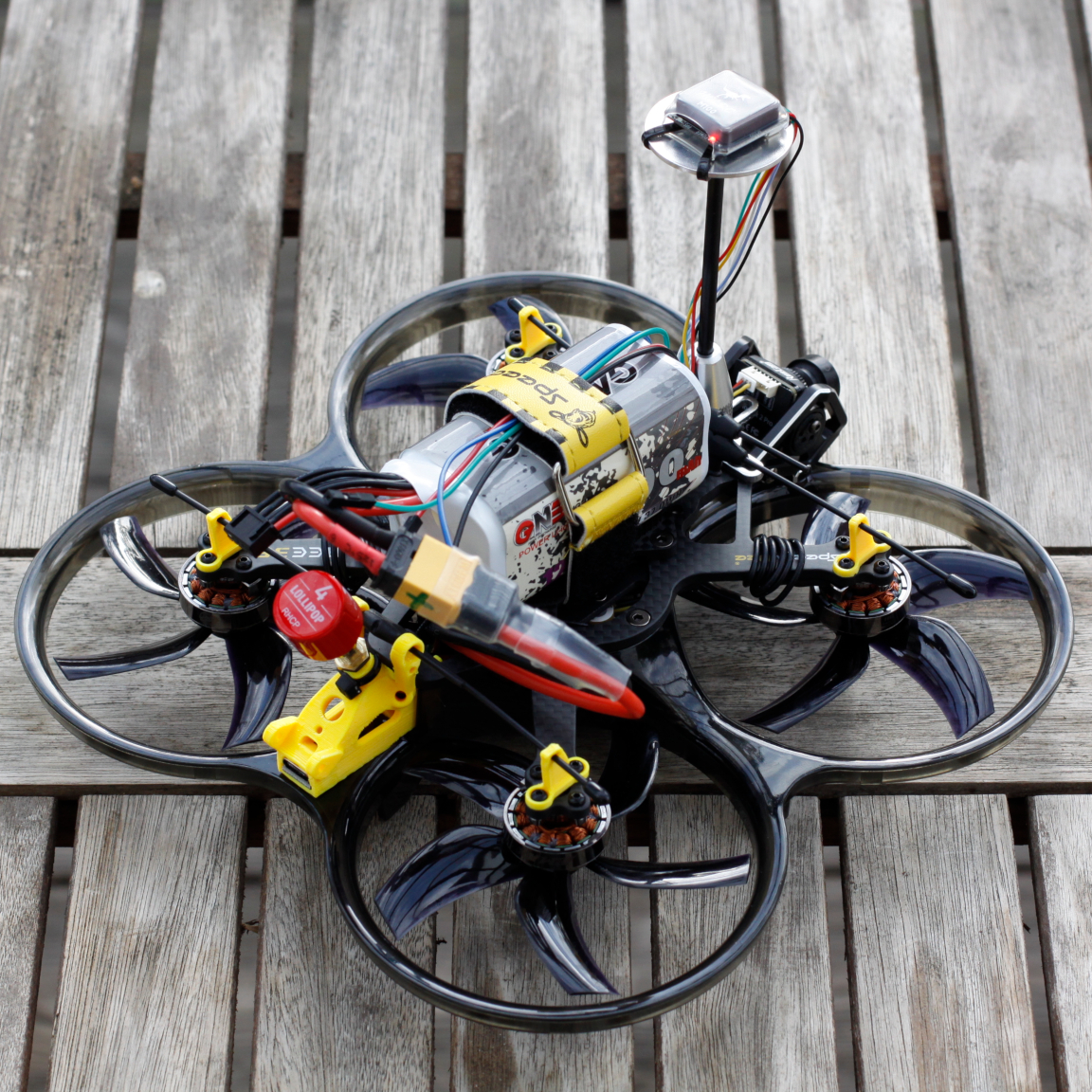
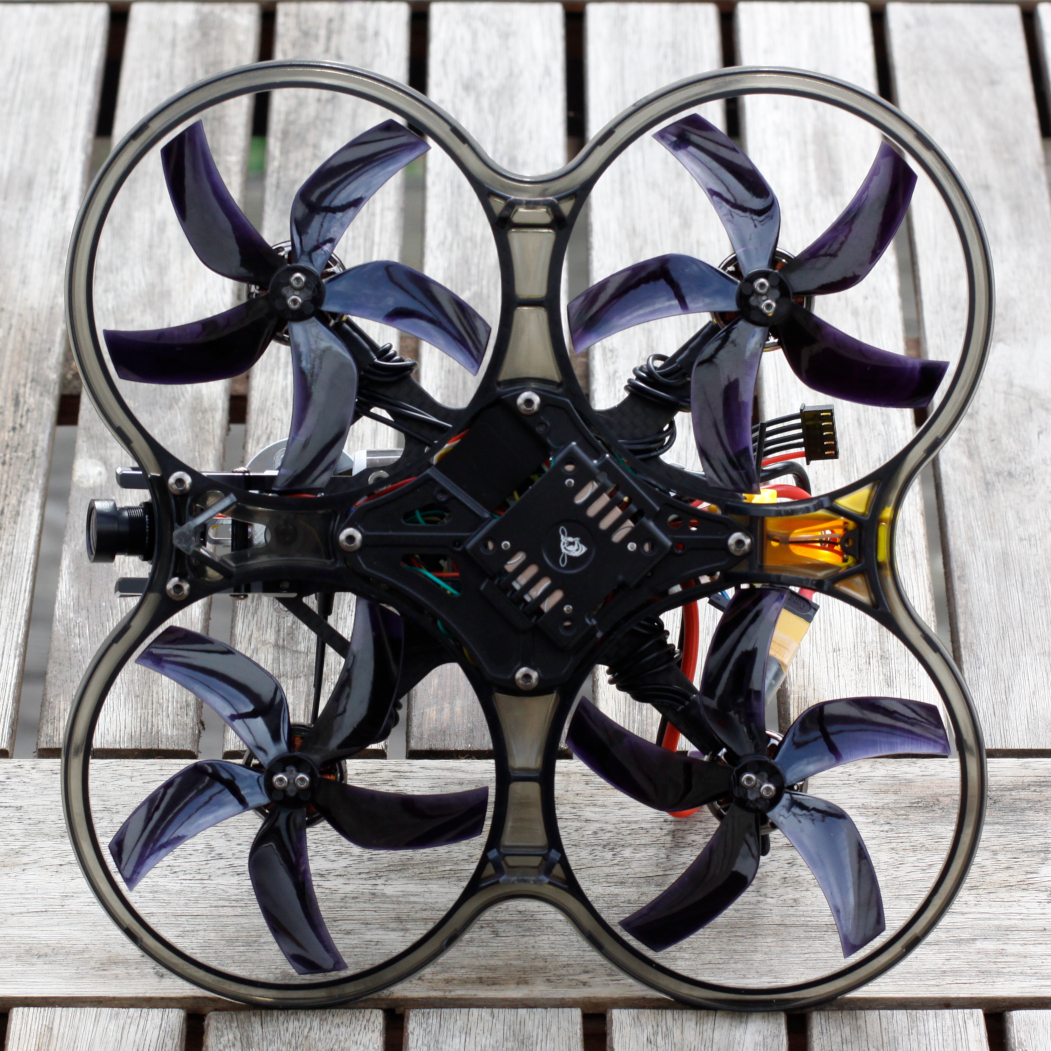
- 3.5'' FPV drone with CineWhoop frame, including propeller protection, fully assembled and flight ready
- Skyzone Cobra X FPV goggles
- Li-Ion batteries (3 units)
- Radiomaster GX12 ELRS Dual-Band Gemini-X 868MHz/2.4GHz radio transmitter with firmware EdgeTX v2.11.5 and a binding phrase configured to match the receiver: drone[1-3]ffm
- Raspberry Pi Zero 2 WH single board computer
- Two different cases suitable for the Raspberry Pi Zero 2 single board computer
- Raspberry Pi AI camera module
- MicroAir MTF-01P sensor for distance measurement (LiDAR) and optical flow
- CP2102 USB UART adapter for configuring the MicroAir MTF-01P
- Mini HDMI to standard HDMI cable
- Micro USB (m) to USB Type A (f) cable
- USB Type A (m) to USB C cable
- USB C to USB C cable
- USB audio/video grabber (MacroSilicon MS210x)
- 9g micro servo (2 units)
- Connection cables (female to female and female to male)
- Smoke stopper (short circuit protection plug)
- Speedybee Adapter V3 (configuration tool)
- SkyRC B6neo+ charger
- Hex and Allen key set in the sizes commonly used for FPV drones (1.5 mm, 2.0 mm, 4.0 mm, 5.5 mm, 8.0 mm)
- Screwdriver set with 48 piece precision bit set
- Spare propellers (3.5'') Gemfan D90-5 or HQProp DT90MMX5
- MicroSD memory card (32 GB) with SD/MicroSD adapter
- USB card reader for SD and MicroSD memory cards
- 18650 batteries for the radio transmitter and FPV goggles
- Power bank 20000 mAh PD 20 W (just in case...)
- USB C power supply 27W for charging the FPV goggles, the radio transmitter, the power bank, and for operating the SkyRC B6neo+ charger
- M3 standoffs and screws (M3x9mm, M3x12mm) for the possible construction of a platform
- Aluminum case (approx. 45x30x15 cm)
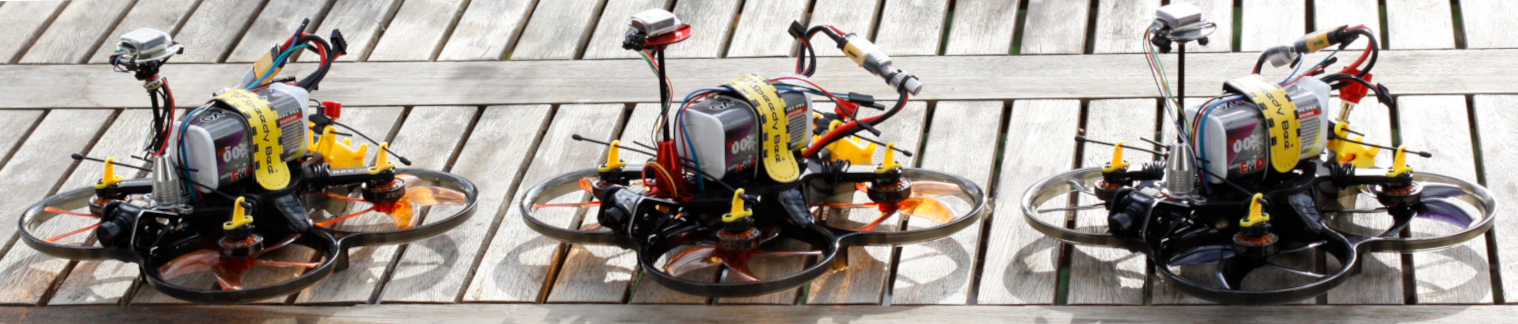
Drones in SS2026
The components and the way they are connected are largely identical in all three drones.
The prepared drones in detail...
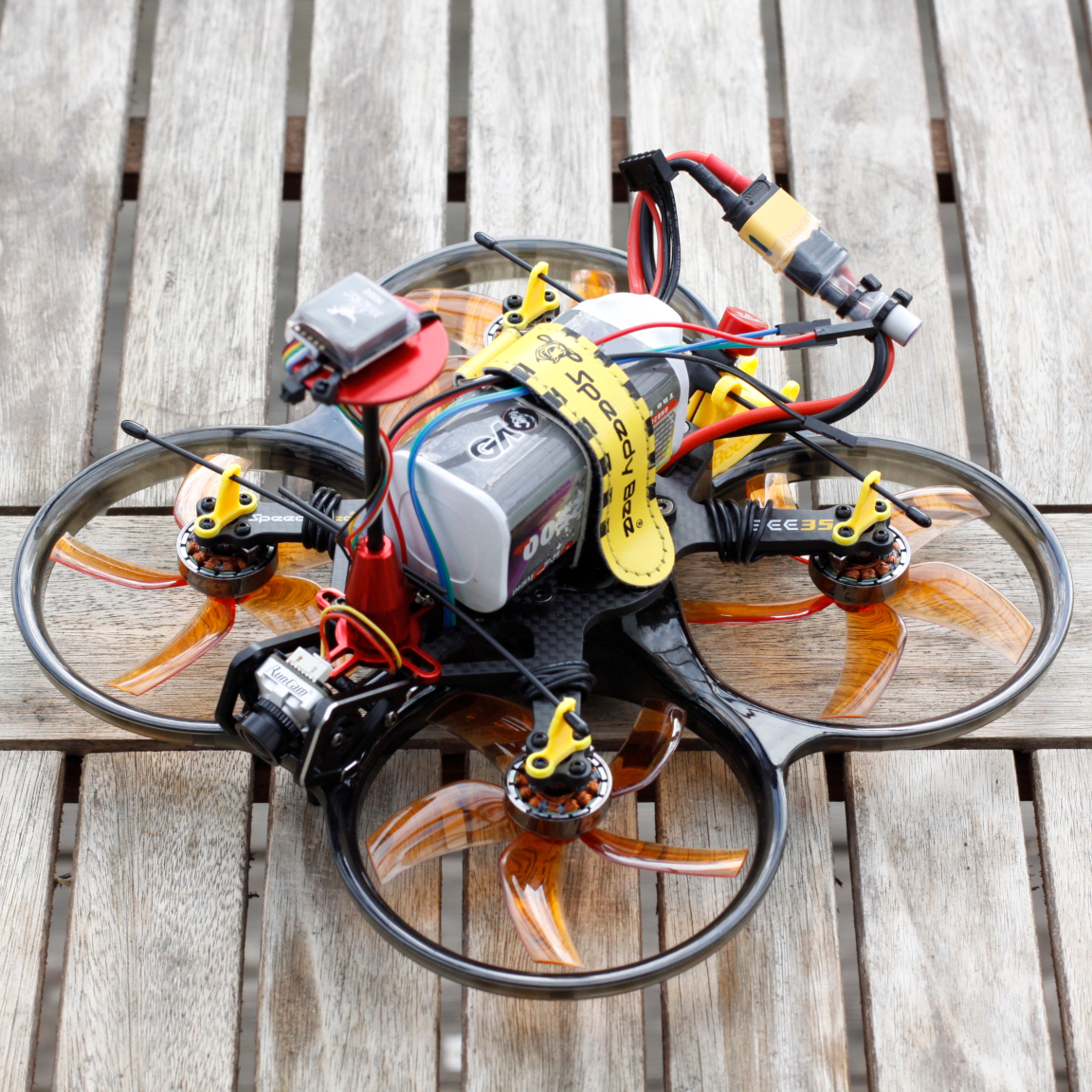
Drone 1
- Frame: SpeedyBee BEE35 Pro 3.5 CineWhoop Frame Kit (Manual)
- Flight controller: Flywoo GOKU GN745 (STM32F745, 216MHz, 1MB Flash) 45A AIO 2-6S AM32 with Betaflight v2025.12.2 (Manual)
- Receiver: Radiomaster XR4 Gemini Xrossband Dual-Band ELRS receiver with firmware ExpressLRS 4.0.0 (Manual)
- Binding phrase: drone1ffm
- Camera: RunCam Phoenix 2 1000TVL 155FOV Analog
- Video transmitter: SpeedyBee TX800 VTX (Manual)
- Channel: 5806 MHz (Band: Raceband, Channel: 5)
- VTX antenna: TrueRC Singularity 5.8GHz RHCP SMA
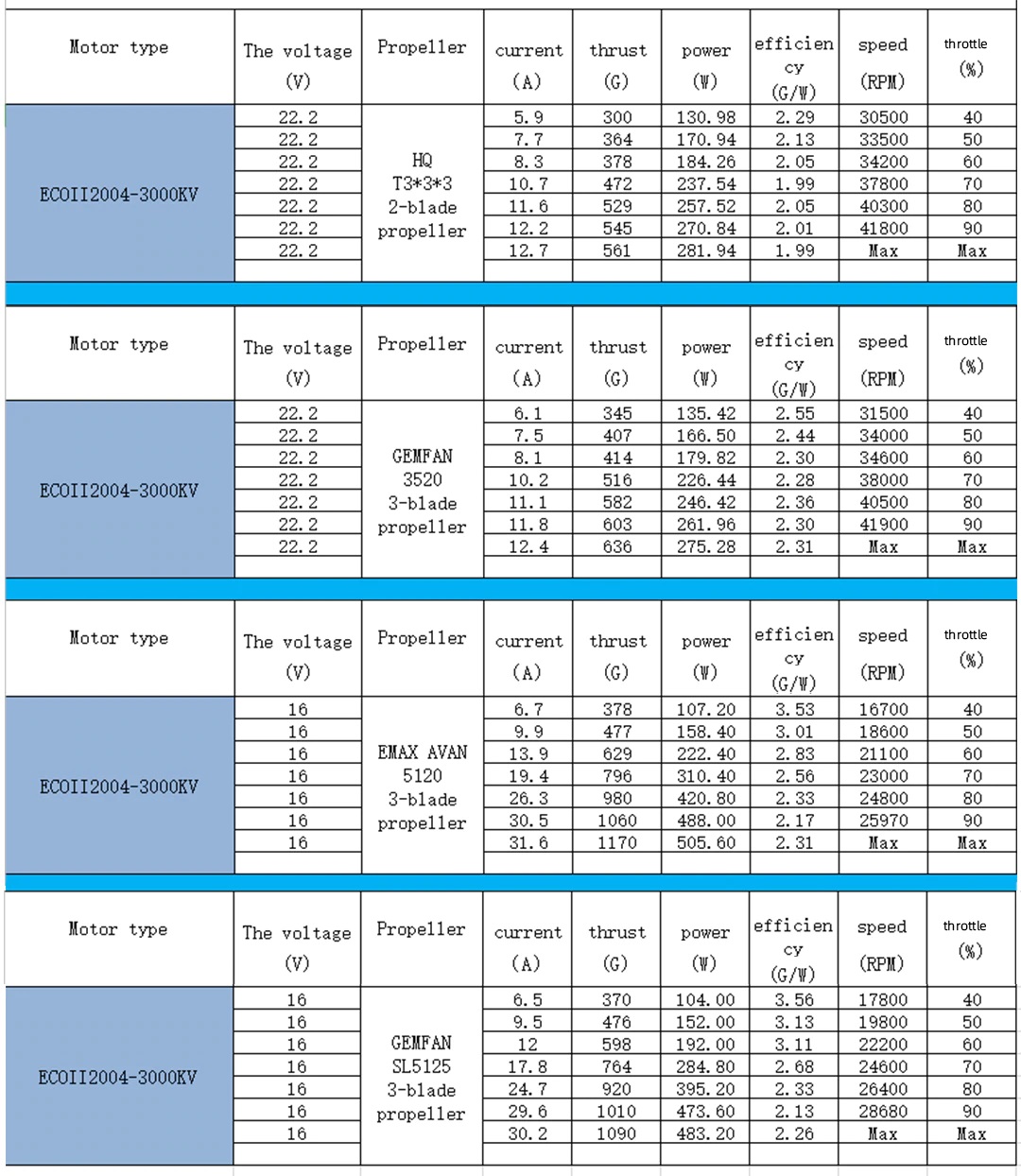
- Motors: Emax Eco II 2004 3-6S 3000KV (Specification)
- Propellers: Gemfan 90mm D90-5 3.5" Ducted 5 blade propellers
- GPS: HGLRC M100 with compass (Manual)
- Connection cables for the MicroAir MTF-01P and the Raspberry Pi Zero are soldered to the flight controller, but they are not yet plugged into the sensor or the single board computer, since the permanent mounting of these components and the modification of the frame are among the tasks of the practical course.
Drone 2
- Frame: SpeedyBee BEE35 Pro 3.5 CineWhoop Frame Kit (Manual)
- Flight controller: Flywoo GOKU GN745 (STM32F745, 216MHz, 1MB Flash) 45A AIO 2-6S AM32 with Betaflight v2025.12.2 (Manual)
- Receiver: Radiomaster XR4 Gemini Xrossband Dual-Band ELRS receiver with firmware ExpressLRS 4.0.0 (Manual)
- Binding phrase: drone2ffm
- Camera: RunCam Phoenix 2 1000TVL 155FOV Analog
- Video transmitter: SpeedyBee TX800 VTX (Manual)
- Channel: 5769 MHz (Band: Raceband, Channel: 4)
- VTX antenna: TrueRC Singularity 5.8GHz RHCP SMA
- Motors: Emax Eco II 2004 3-6S 3000KV (Specification)
- Propellers: Gemfan 90mm D90-5 3.5" Ducted 5 blade propellers
- GPS: HGLRC M100 with compass (Manual)
- Connection cables for the MicroAir MTF-01P and the Raspberry Pi Zero are soldered to the flight controller, but they are not yet plugged into the sensor or the single board computer, since the permanent mounting of these components and the modification of the frame are among the tasks of the practical course.
Drone 3
- Frame: SpeedyBee BEE35 Pro 3.5 CineWhoop Frame Kit (Manual)
- Flight controller: Flywoo GOKU GN745 (STM32F745, 216MHz, 1MB Flash) 45A AIO 2-6S AM32 with Betaflight v2025.12.2 (Manual)
- Receiver: Radiomaster XR4 Gemini Xrossband Dual-Band ELRS receiver with firmware ExpressLRS 4.0.0 (Manual)
- Binding phrase: drone3ffm
- Camera: RunCam Phoenix 2 Pro 1500TVL 128FOV Analog
- Video transmitter: SpeedyBee TX800 VTX (Manual)
- Channel: 5769 MHz (Band: Raceband, Channel: 4)
- VTX antenna: TrueRC Singularity 5.8GHz RHCP SMA
- Motors: Emax Eco II 2004 3-6S 3000KV (Specification)
- Propellers: Gemfan 90mm D90-5 3.5" Ducted 5 blade propellers
- GPS: HGLRC M100 with compass (Manual)
- Connection cables for the MicroAir MTF-01P and the Raspberry Pi Zero are soldered to the flight controller, but they are not yet plugged into the sensor or the single board computer, since the permanent mounting of these components and the modification of the frame are among the tasks of the practical course.
Teams
TBD
Contact
The best way to reach me is by email: christianbaun@fb2.fra-uas.de